×
Check-out the new Famous Trials website at www.famous-trials.com:
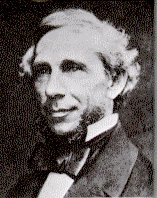 The
prisoners were arraigned upon written charges specifying the criminating
acts. These charges were signed by Colonel Sibley or his adjutant
general, and were, with but few deceptions, based upon information furnished
by the Rev. S.R. Riggs. He obtained
it by assembling the half breeds; and others possessed of means of knowledge,
in a tent, and interrogating them concerning
suspected parties. The names of the witnesses were appended to the
charge. He was, in effect, the
grand jury of the court. His long residence in the country, and extensive
acquaintance with the Indians, he knowledge of the character and habits
of most of them, enabling him to tell almost with certainty what Indians
would be implicated and what ones not, either from their disposition or
their relatives being engaged, and his familiarity
with their language, eminently qualified him for the position. [Heard,
History of the Sioux Wars and Massacre]
The
prisoners were arraigned upon written charges specifying the criminating
acts. These charges were signed by Colonel Sibley or his adjutant
general, and were, with but few deceptions, based upon information furnished
by the Rev. S.R. Riggs. He obtained
it by assembling the half breeds; and others possessed of means of knowledge,
in a tent, and interrogating them concerning
suspected parties. The names of the witnesses were appended to the
charge. He was, in effect, the
grand jury of the court. His long residence in the country, and extensive
acquaintance with the Indians, he knowledge of the character and habits
of most of them, enabling him to tell almost with certainty what Indians
would be implicated and what ones not, either from their disposition or
their relatives being engaged, and his familiarity
with their language, eminently qualified him for the position. [Heard,
History of the Sioux Wars and Massacre]
[2]
Reverend Stephen R. Riggs, who was constantly present, publicly stated at the time that, when forty cases were disposed of in six or seven hours, there was not full opportunity for elucidation of evidence. He had no particular liking for the manner of procedure generally followed and expected that the meagerness of the record would lead to new trials. Still, he admitted that "a terrible necessity -- the demand of public justice -- requires that the great majority of those who are condemned should be executed." Numerous suggestions were thrown out that Riggs was unduly lenient toward the unfortunate people among whom he had spent the prime of his life. There is evidence enough to acquit him of that. It was with his assistance that a large number of the accused were identified and arraigned. The leading historian of the war, Isaac V.D. Heard, relates that Riggs assembled the half-breeds and others in a tent and interrogated them concerning suspected persons, and adds, "He was, in effect, the Grand Jury of the court." Riggs believed, as did many among the Sioux, that there were certain Indians who were guilty of crimes for which they deserved punishment and which could not be condoned as acts of war. [Folwell, A History of Minnesota, Vol. II]