×
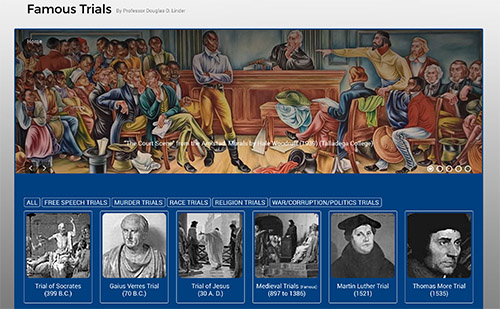
Check-out the new Famous Trials website at www.famous-trials.com:
|
Mr. Gleason: “Assuming that
any man was proved to you, as an expert, to have attended a roof garden
the day of June 25, 1906, the occasion of the opening of a theatrical
entertainment which was largely attended, and that on walking out from
the theater, with his wife near him, and apparently in a quiet and
orderly manner; that that man should turn aside and fire three shots
from a revolver into a man who was sitting at the table and to whom he
did not speak; that this man then held the pistol above his head and
walked quietly toward an elevator; that he gave up the pistol without
resistance and did not make any attempt to escape, and that he said,
‘He ruined my wife,’ and that immediately thereafter he said to his
wife, ‘I have probably saved your life,’ I ask you sir, upon your
judgment as an expert, whether you are able to give an opinion touching
on the sanity of the man who made that answer?” Dr. Wiley: ‘‘I
can.’’ Gleason: "Will you
express that opinion?’’ Wiley: ‘‘I believe that that
man— — District Attorney
Jerome: [Objecting.] ‘‘ You must not state a belief,
that is not evidence. You must give an opinion.’’
Wiley: ‘‘My opinion is
that the man who committed the act described was suffering from
insanity....The act of Harry K. Thaw was that
of an insane man....The remark Thaw made to his wife after the tragedy,
‘I have probably saved your life,’ is an indication of an insane
delusion....I have examined 800 people as to their sanity, and should
know the prisoner’s condition. When I examined Harry in the Tombs
prison after the murder his actions were irrational.’’ |